A store does not mark everything up by the same amount. It sets a margin target by department, and your product has to carry the target for the department it lands in.
The targets
In the book's model store (modeled figures): wellness and supplements aim for about 46 to 52 percent, center-store grocery for 34 to 38 percent. The store's own drinks and house label run higher still.
The one formula
Shelf price equals landed cost divided by one minus the target margin. Landed cost includes freight.
Margin is not markup. Margin is profit over the shelf price. Markup is profit over cost. At a 40 percent margin the multiplier on cost is 1.67. At 50 percent it is 2.0.
Work backward
Say the store needs 48 percent and your product has to sell at $12 to move. Your landed cost to the store cannot be much more than about $6.25.
If your wholesale is $8 because that is what your distributor math gives you, the buyer has two choices: price you at about $15.40, where you will not sell, or pass.
Where brands go wrong
- Setting wholesale from cost upward and never checking the shelf price it produces.
- Forgetting freight, so the landed cost is higher than the price list says.
- Not knowing which department they will be placed in.
Do this
Pick the shelf price your product needs to sell at. Run it backward at your department's target. If the wholesale that falls out is below your own floor, fix that before the meeting, not in it.
Applied to this season's trends
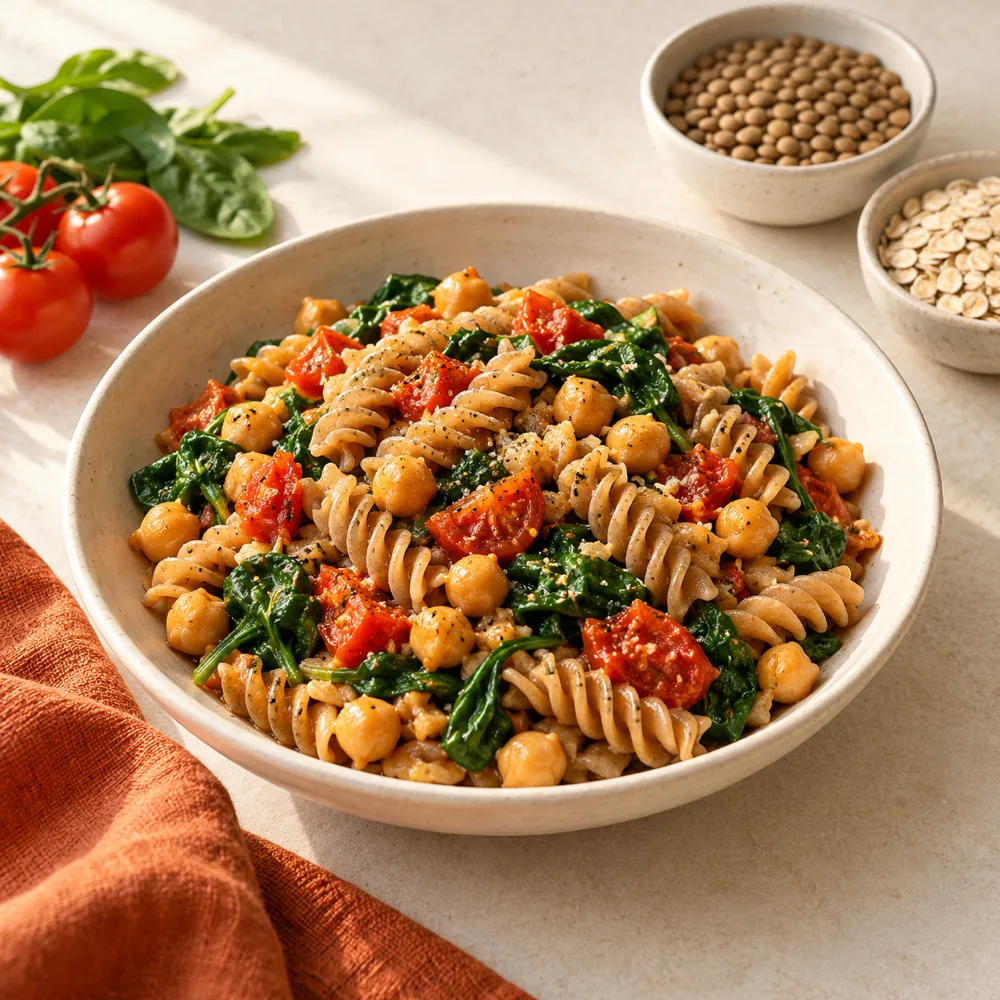 Fiber frenzy and protein + fiberRealThe brand takePosition against a familiar staple, with taste and convenience leading and fiber supporting the proposition.
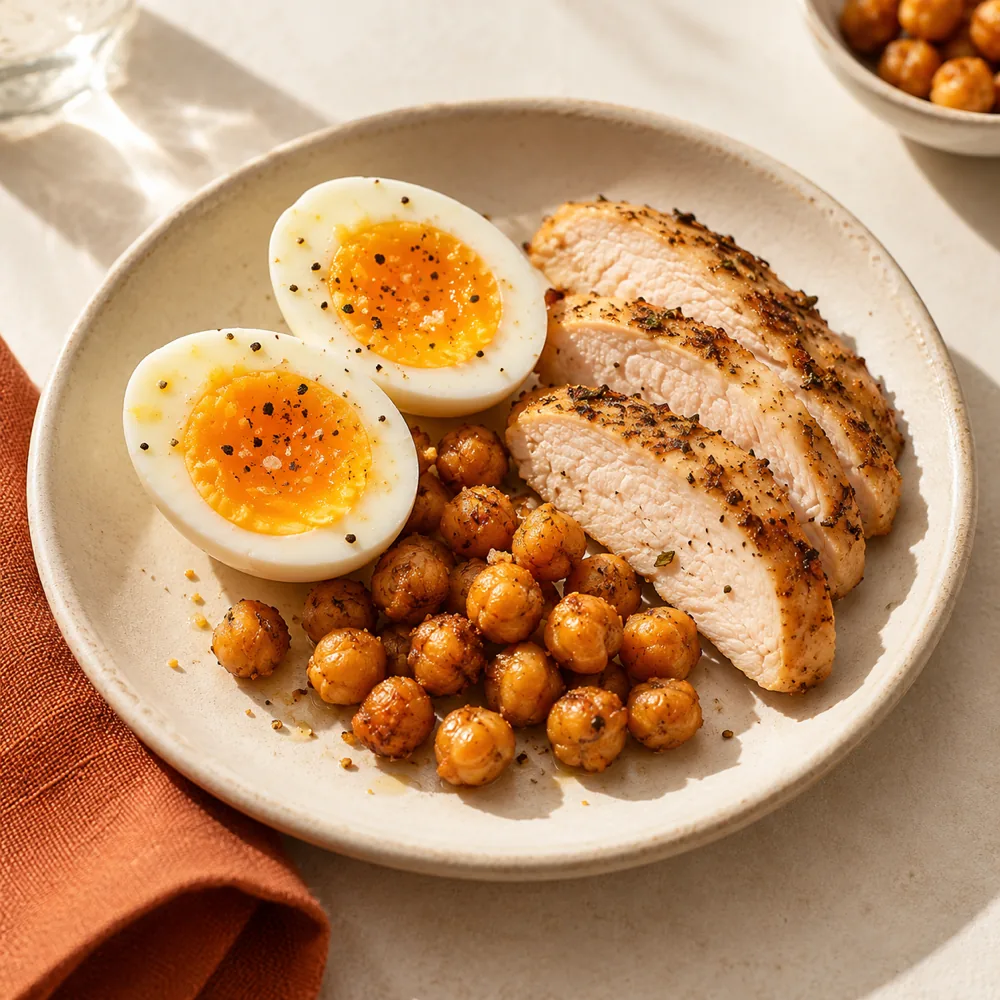 Clean proteinRealThe brand takePosition your product against the snack it would replace, such as a meat stick or protein bar.
 Terroir's new territoryRealThe brand takeLead with products where origin creates a difference shoppers can taste, such as region-specific olive oil, honey, chocolate or coffee.
 Functional beveragesRealThe brand takeThe functional claim alone is no longer enough.
Adapted from The Truth Behind Premium Grocery by Michael Penner (2027). Figures are modeled. ← Insurance and paperwork