From your side, you are a brand with a product you believe in. From the store's side, you are an item competing for a facing that some other item has to give up. In a store carrying about 4,000 items, every new one means an exit.
Does it meet the standard?
Ingredients first, almost everywhere. If your formula does not meet the store's standard, nothing else in your pitch matters. Check before you send samples.
Does it have a reason to exist here?
What does it do that nothing already on the shelf does? "A better version of X" is the weakest answer. The buyer has to be able to explain to a regular why your item replaced the one they used to buy.
Does it carry the department's margin?
The store sets a margin target by department. Know which department you will land in and whether your wholesale survives its target.
Will it move?
The buyer has a velocity target, stated or not. Ask what it is. Bring your own numbers from other accounts in units per store per week, and be honest about where they are strong and weak. A number with a range in it is the kind a buyer trusts.
Can you operate?
Can you ship small quantities reliably? Is your item data clean: barcode, case pack, cost, shelf life, dimensions? Will the delivery match the purchase order?
Do this
Write one honest sentence under each of the five. The one you struggle to write is the one to fix first.
Applied to this season's trends
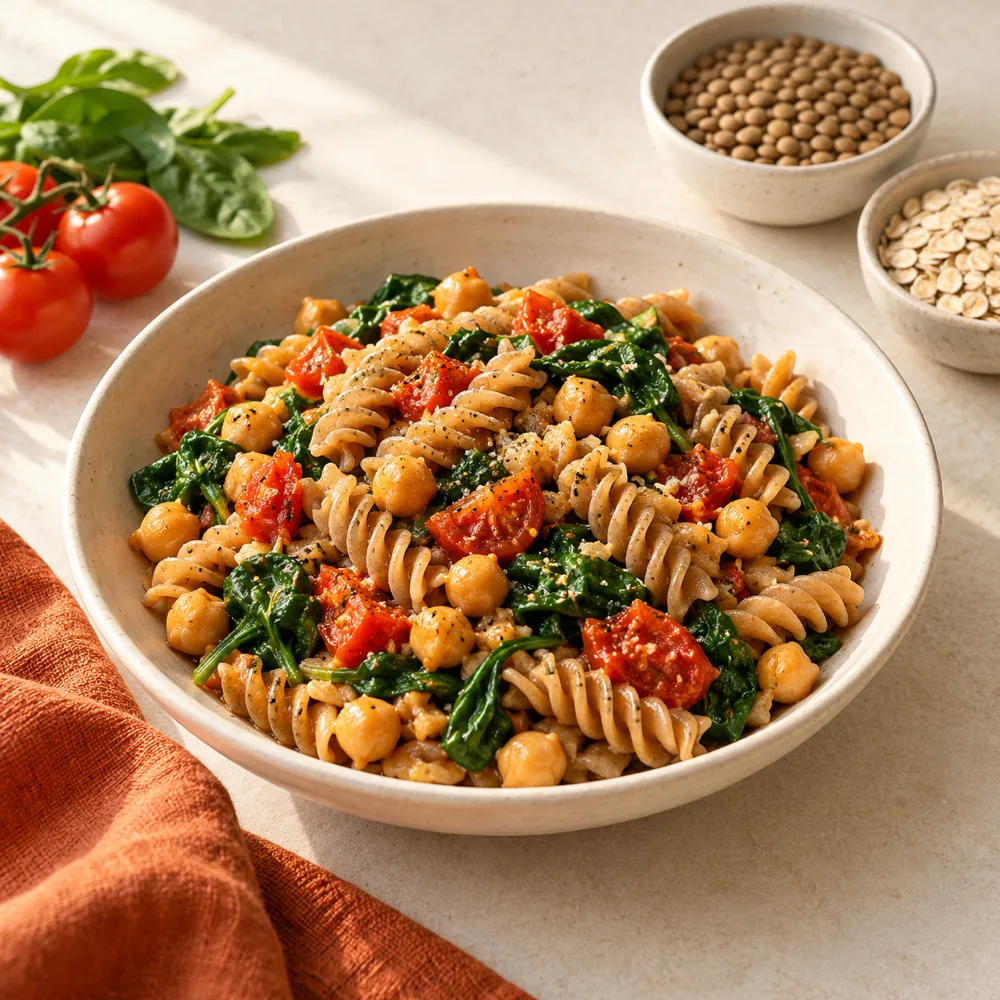 Fiber frenzy and protein + fiberRealThe brand takePosition against a familiar staple, with taste and convenience leading and fiber supporting the proposition.
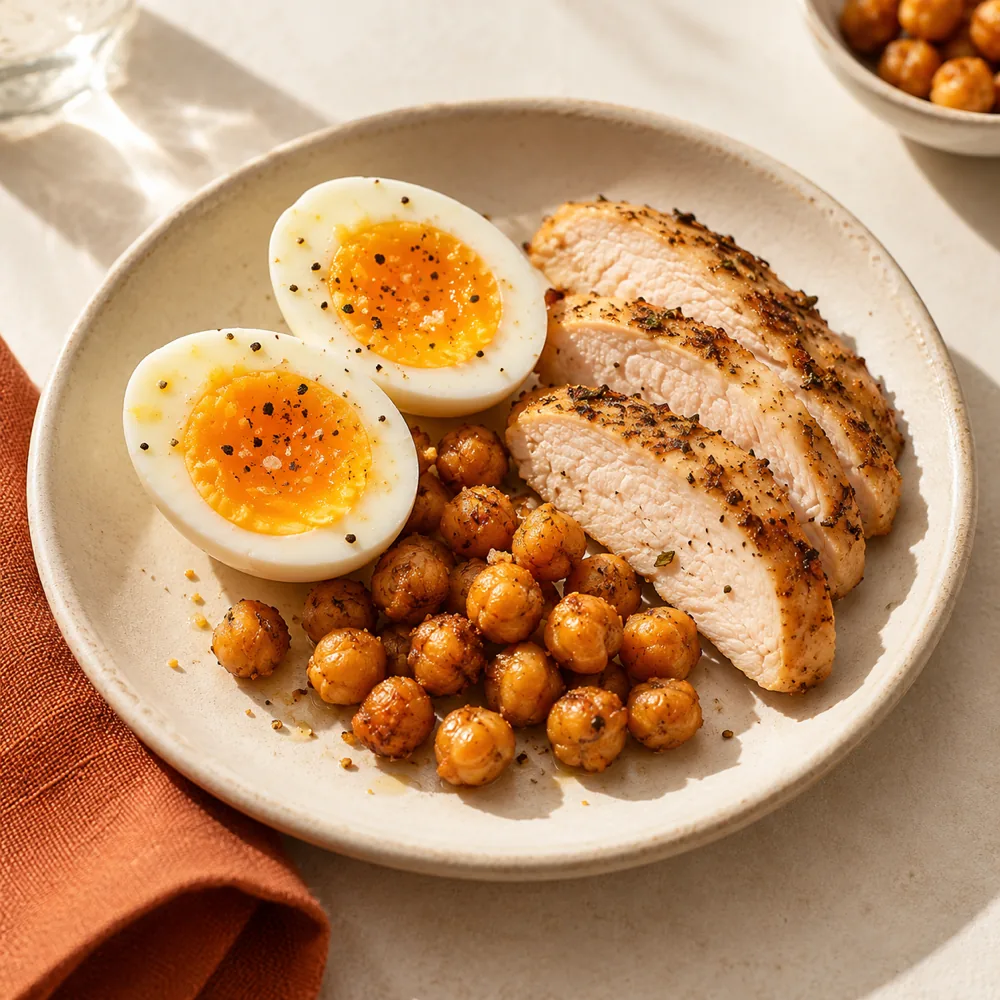 Clean proteinRealThe brand takePosition your product against the snack it would replace, such as a meat stick or protein bar.
 Terroir's new territoryRealThe brand takeLead with products where origin creates a difference shoppers can taste, such as region-specific olive oil, honey, chocolate or coffee.
 Functional beveragesRealThe brand takeThe functional claim alone is no longer enough.
Adapted from The Truth Behind Premium Grocery by Michael Penner (2027). Figures are modeled. ← Your first promo calendar