A premium store does not reach its margin by marking everything up the same. It gets there by knowing what job each item does, and pricing each job differently.
The five tiers
Known-value items. The 50 to 100 products customers use to decide whether you are expensive: milk, eggs, bananas, the popular drinks, the top pantry staples. Keep them within a narrow range of comparable stores, check them every month, and accept the lower margin.
Core assortment. The regular product customers expect every week, priced at the department's target.
Differentiated premium. Organic, local, specialty, limited, hard to find. Priced to what the quality and the sourcing support. This is why the customer is in your store and not someone else's.
House-made. Everything the store makes, assembles or portions, costed by recipe with packaging, yield loss and waste built in.
Promotional. Temporary, with a start date, an end date, a purpose and an approval.
Why it matters for a new item
Before you bring something in, say which tier it is. A wonderful product on a thin margin is a halo item, and halo items are capped as a share of the assortment. They are not admitted one at a time because each one is lovely.
Keep the core, keep trying
A store with a clear core can try almost anything, because customers know what it stands for and give it room to experiment.
Do this
Take one category and write the tier next to every item. Count how many sit in each. The category with no differentiated items, or nothing but, is the one to look at.
Applied to this season's trends
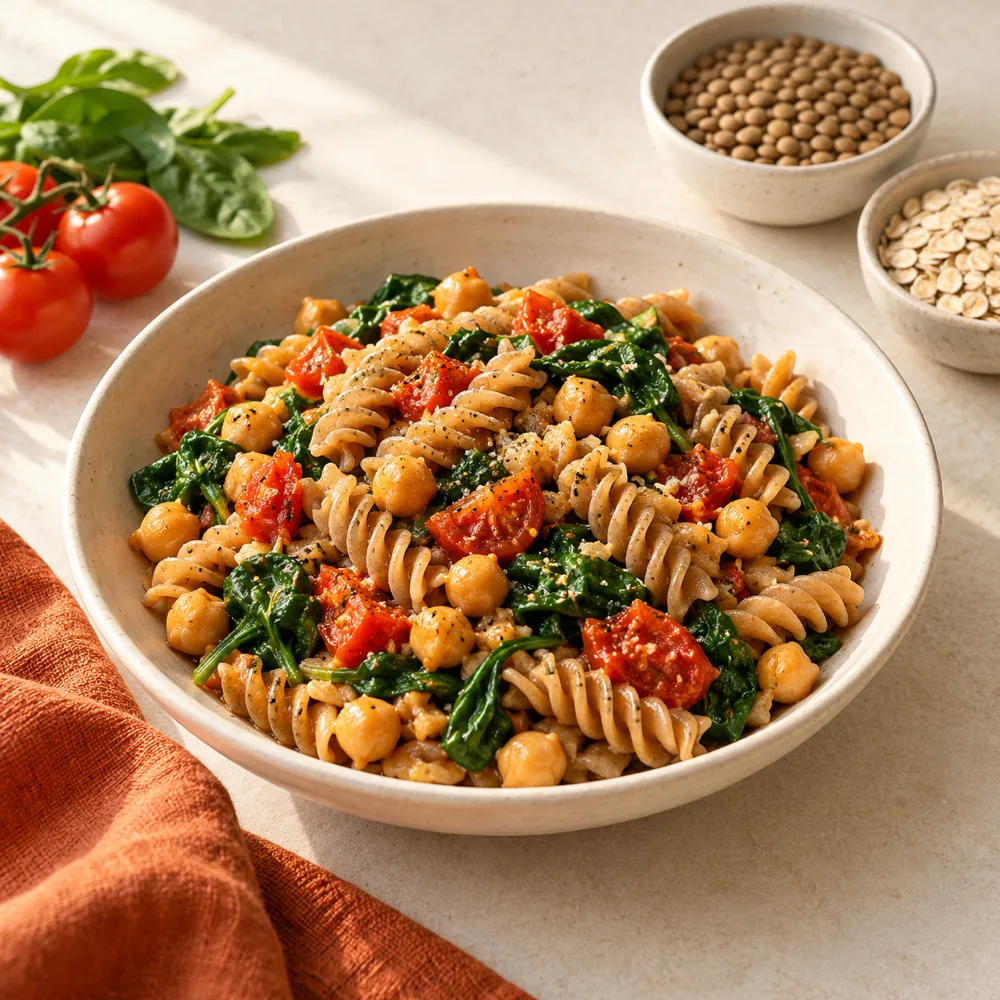 Fiber frenzy and protein + fiberRealThe buyer takeTest a small assortment within an existing category and track sales and margin dollars per facing against comparable products.
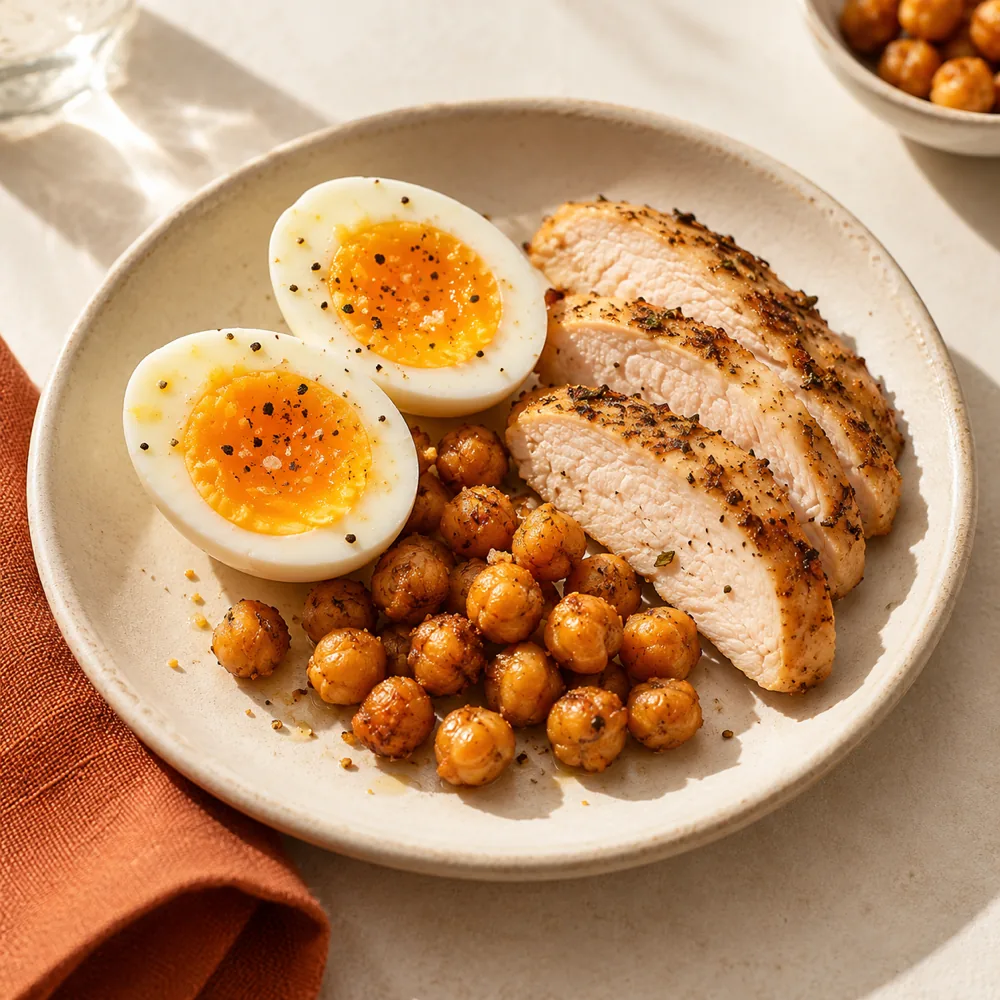 Clean proteinRealThe buyer takeTest a meat stick from Chomps or The New Primal, both marked Scaling, alongside your current best seller at a comparable price.
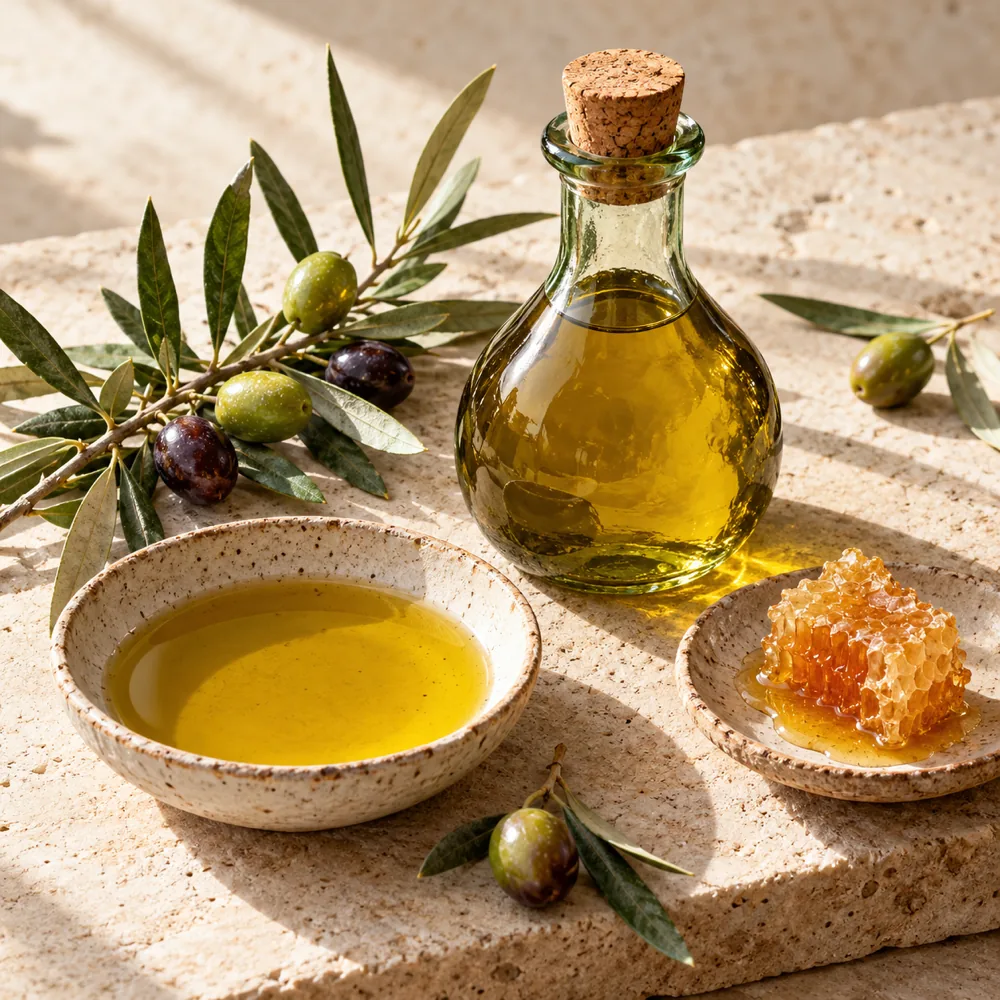 Terroir's new territoryRealThe buyer takeTest a small regional assortment within an established category, supported by tastings and shelf cards that translate provenance into flavor and use.
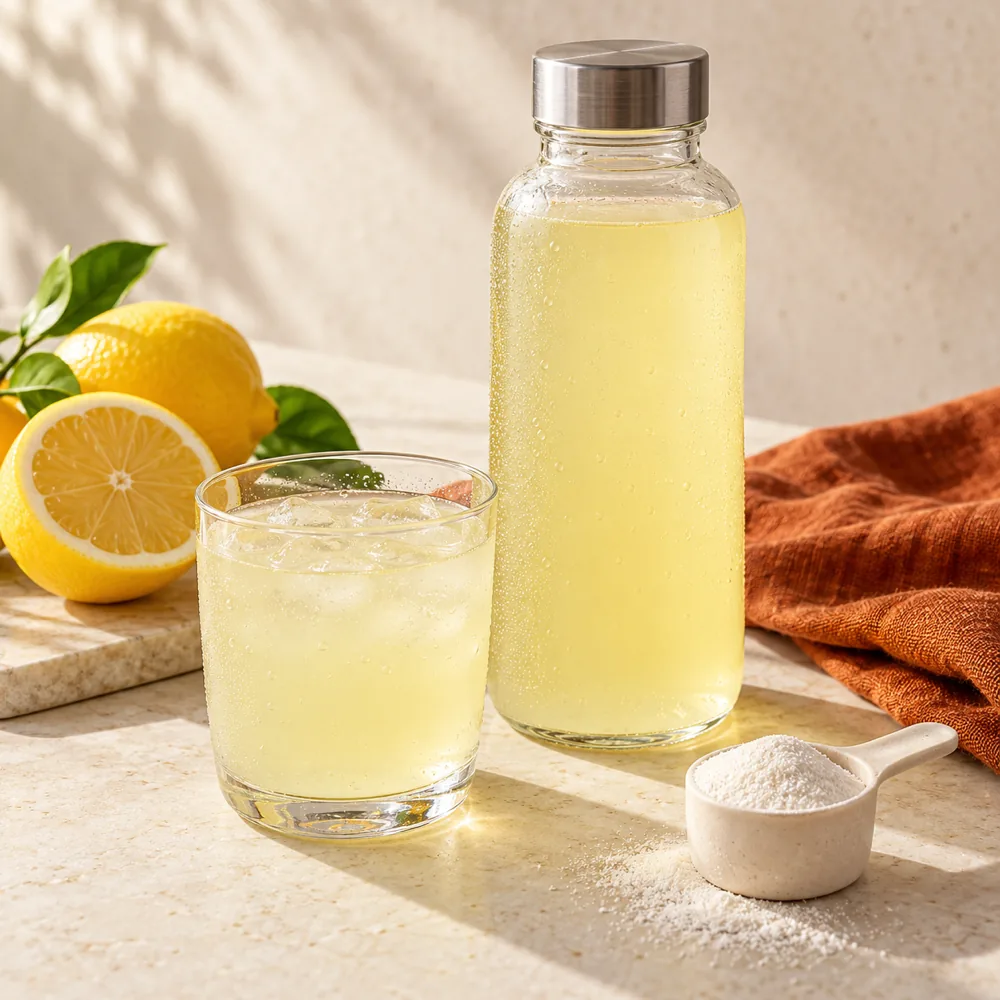 Functional beveragesRealThe buyer takeManage functional beverages as a mature category rather than giving every new claim shelf space.
Adapted from The Truth Behind Premium Grocery by Michael Penner (2027). Figures are modeled.