Run curation as a system with written gates, not as the buyer's taste. That is what lets a store say no to a perfectly good reason to add an item, and remove one nobody wants to remove.
Gate one: trend-worthy
Does it give someone a reason to come in, talk about it, film it? Not every item has to pass this one. Pantry staples do not. But if your new items are not passing it, you are buying inventory, not attention.
Gate two: margin-worthy
Does it clear its department's target, not a flat storewide number? A product that is wonderful and thin is a halo item, and halo items are capped as a share of the assortment.
Gate three: velocity-worthy
Will it earn its facing in 60 to 90 days? Set the target when the purchase order is cut, not afterward.
Then the questions before any yes
- Does it fit who we are? If you would have to explain why it is here, it does not.
- Does it give people a reason to make the trip?
- Can we receive it, staff it, count it and sell through it without breaking anything else?
- Does it protect the price, or does it ask us to discount?
- How will we know if it worked? A number, set before launch.
Start small
A test is a small buy with a clear target and a date. It is not a quiet commitment that becomes permanent because nobody reviewed it.
Do this
Write the three gates on one page and use that page for the next item someone wants to bring in.
Applied to this season's trends
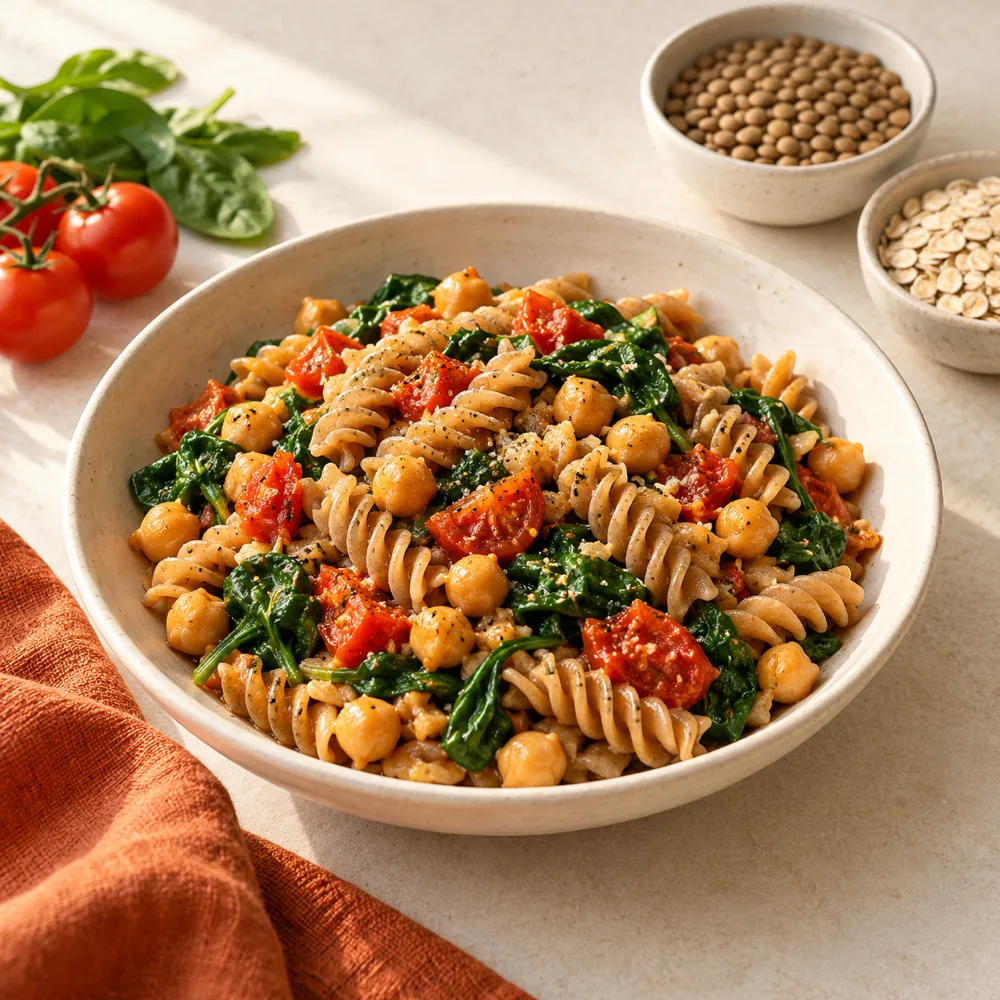 Fiber frenzy and protein + fiberRealThe buyer takeTest a small assortment within an existing category and track sales and margin dollars per facing against comparable products.
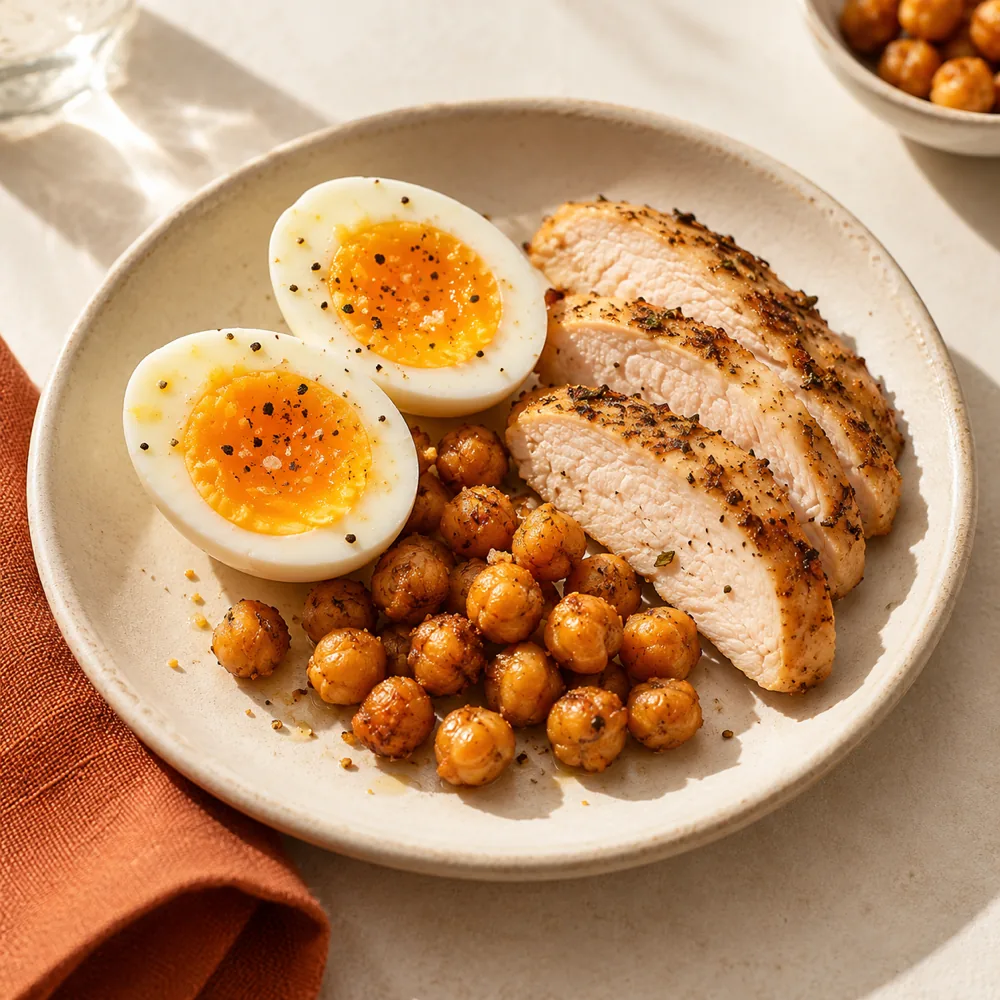 Clean proteinRealThe buyer takeTest a meat stick from Chomps or The New Primal, both marked Scaling, alongside your current best seller at a comparable price.
 Terroir's new territoryRealThe buyer takeTest a small regional assortment within an established category, supported by tastings and shelf cards that translate provenance into flavor and use.
 Functional beveragesRealThe buyer takeManage functional beverages as a mature category rather than giving every new claim shelf space.
Adapted from The Truth Behind Premium Grocery by Michael Penner (2027). Figures are modeled. ← Reading a verdict for your store